
Resilience Project
Cultivating Psychological Resilience: A Whole-School Initiative
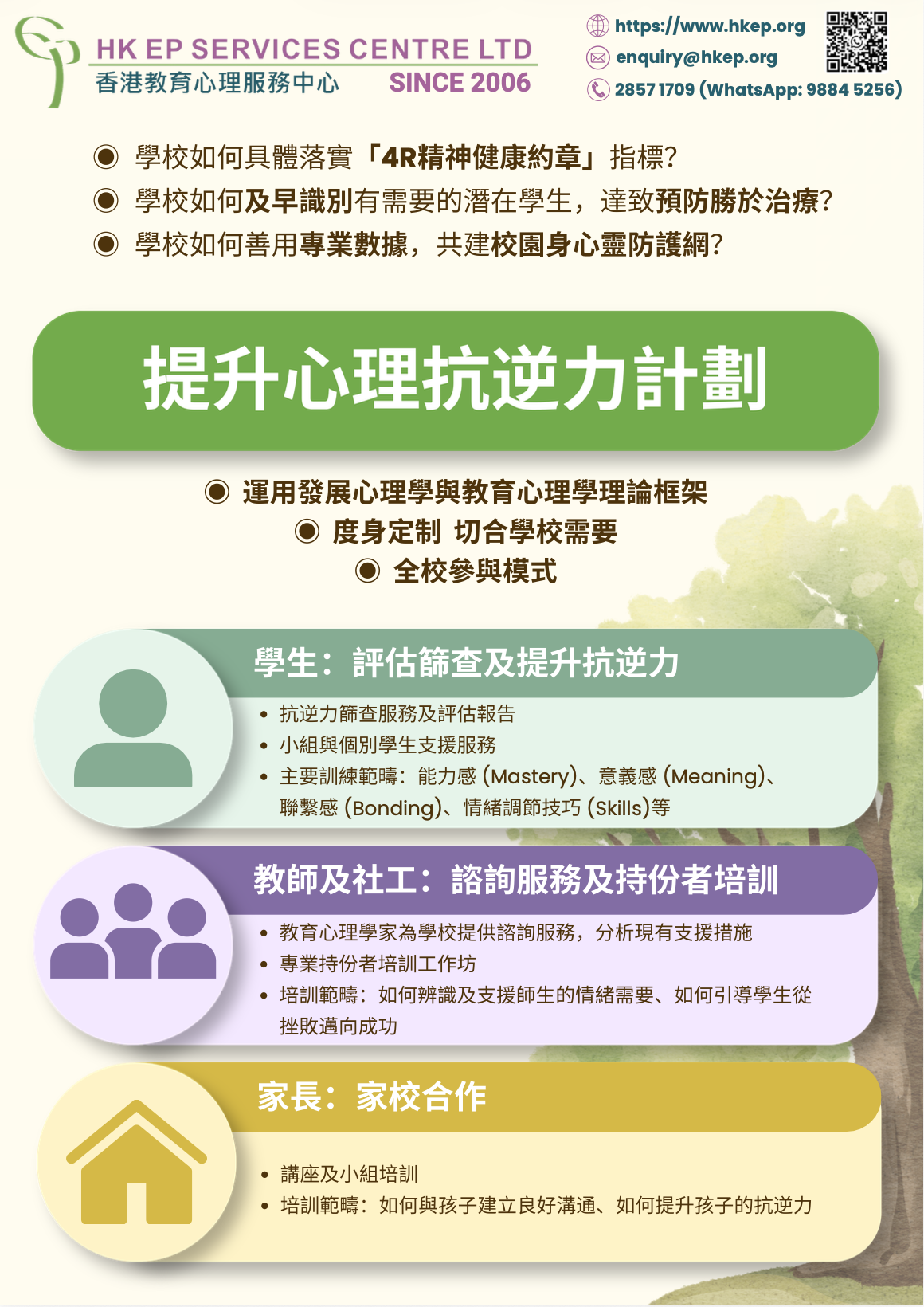
Youth in Hong Kong are facing mounting pressures from studies, families, social circles, and the digital world. To support them, the professional team at the HKEP Services Centre has developed a structured training curriculum tailored for local primary and secondary schools. Aligned with the developmental needs of children and teens, this program serves as a practical implementation of the "Resilience" pillar within the Education Bureau’s "4R Mental Health Charter"*.
As psychologists, we strongly advocate that "prevention is better than cure." Early introduction to effective resilience training does more than solve today's problems—it builds a robust psychological foundation for the future. By equipping students with the inner strength they need, we empower them to confidently navigate adversity, ride out life's waves, and emerge stronger.
Core Theory
The core of this program introduces the "Resilience Ball Framework" advocated by educational psychologist Dr. Cath Lowther. This framework compares an individual's psychological resilience to an elastic ball: when compressed by adversity (stress), its internal strength and external support systems generate a "bounce-back" force. This allows individuals to recover quickly from setbacks and transform pressure into motivation for growth and vitality.



Program Features
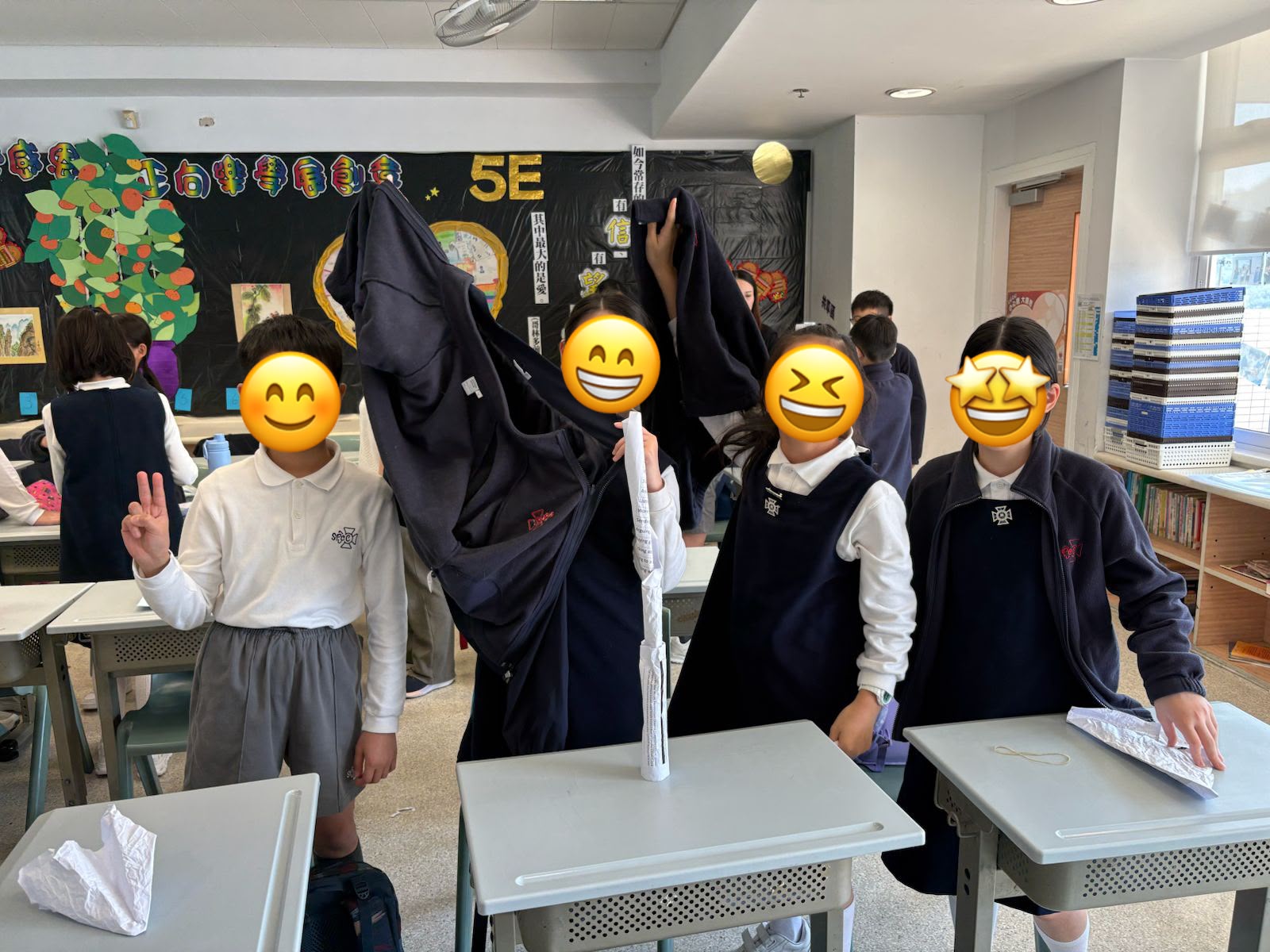
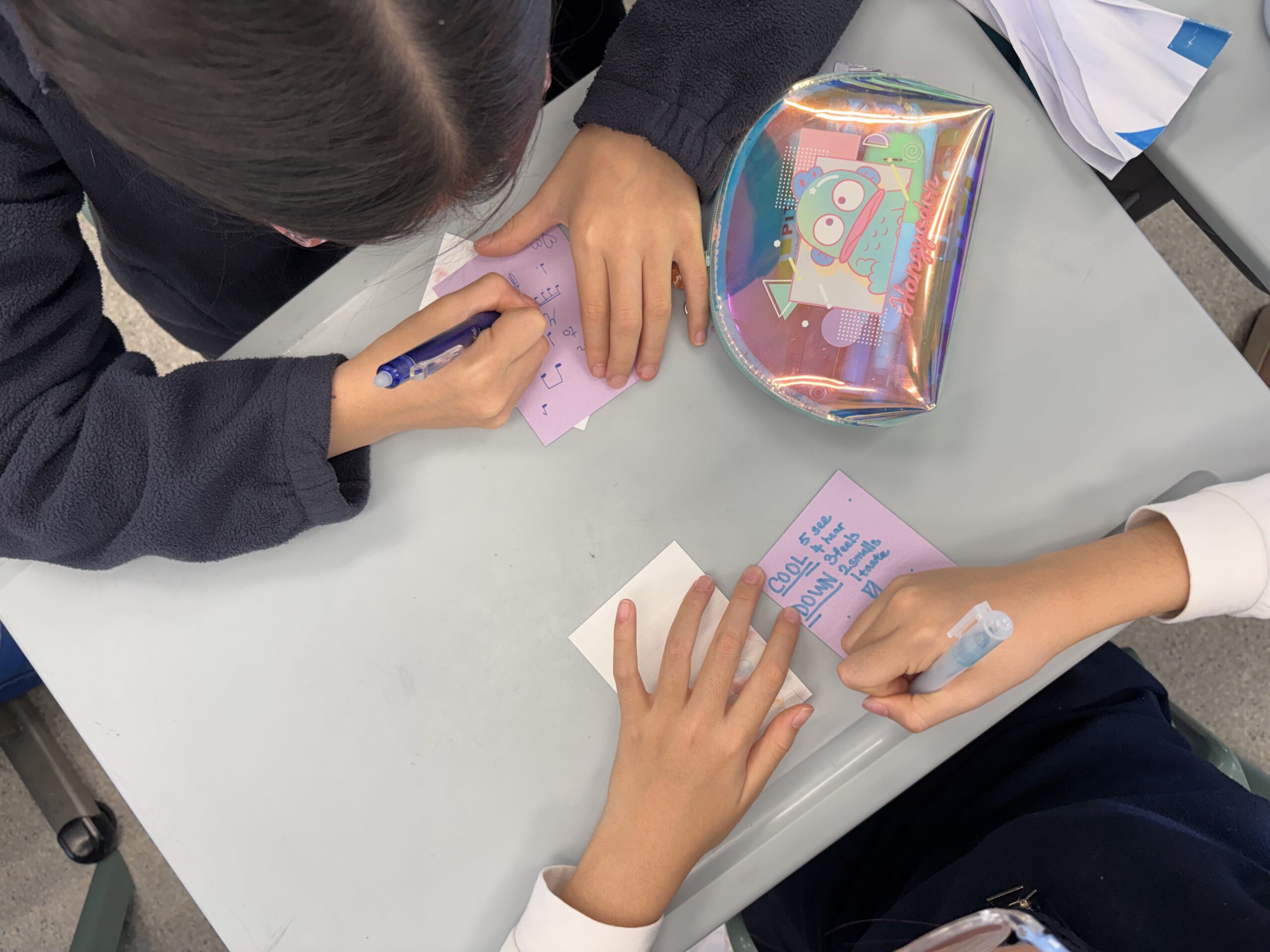
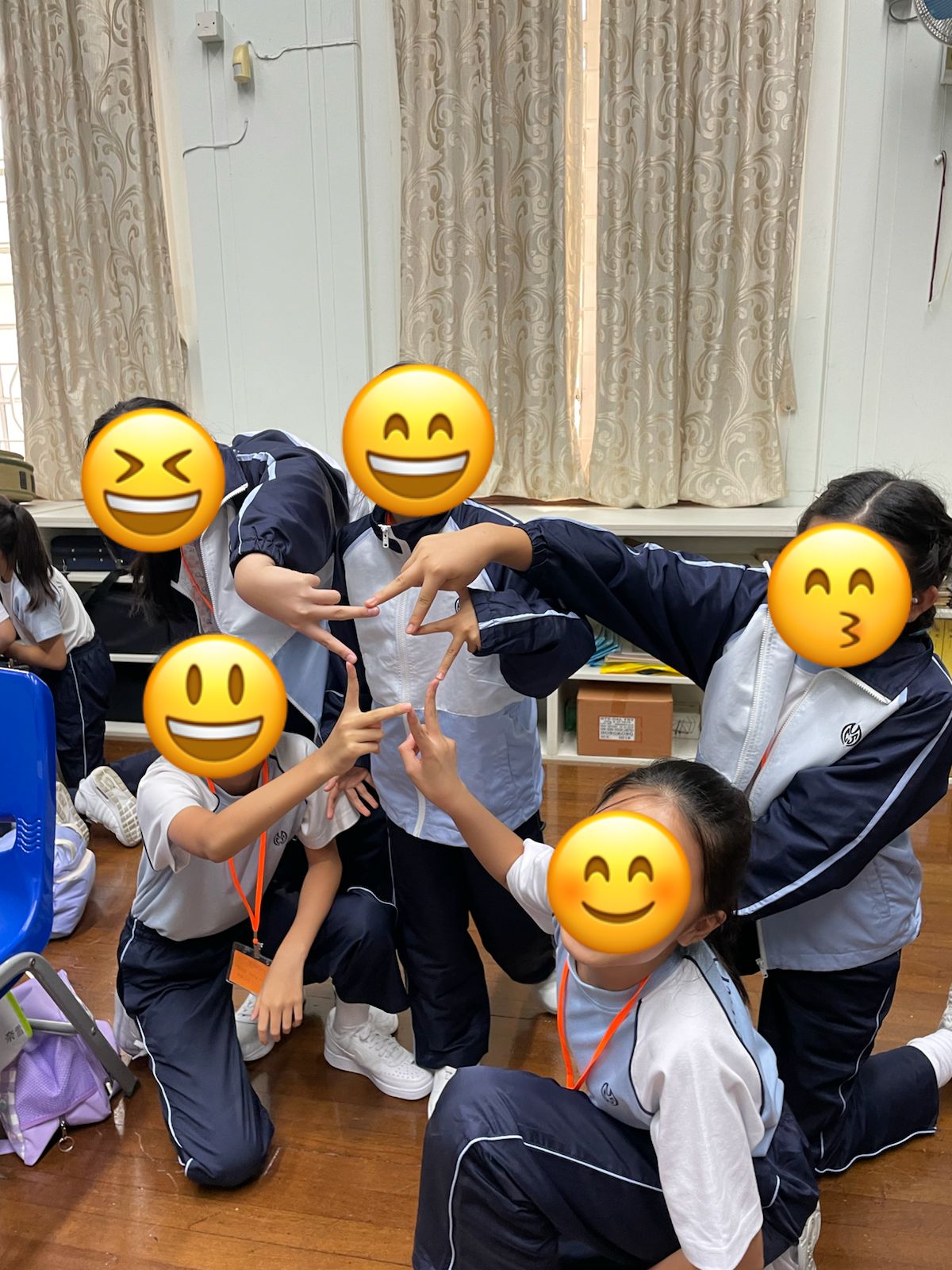
Using a Whole-School Approach, this program provides systematic professional support to comprehensively foster students' psychological resilience.


*The Education Bureau implements the "4R Mental Health Charter," emphasizing enhancing student well-being through four key elements: Rest, Relaxation, Relationship, and Resilience.


For Enquiries
